
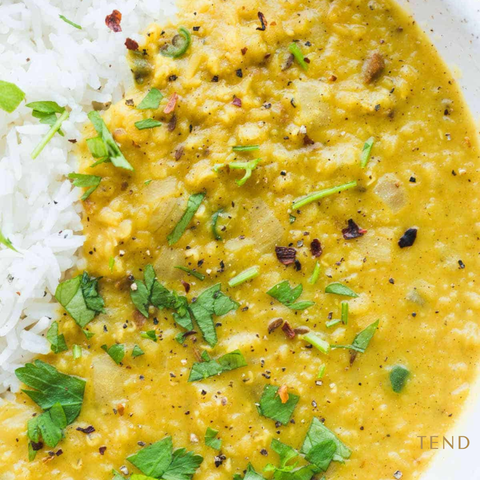
instant pot autumn kitchari
in ayurveda, kitchari is traditionally recommended as a gentle digestive reset and a regular part of a nourishing diet, as its simple, well-cooked ingredients are generally easy to digest while providing warmth, nourishment, and an opportunity for the digestive system to rest.
a little warmth, a little intuition, and a meal that meets you where you are.
it all begins at the grocery store.
i love wandering through the produce section, noticing what has come into season, and allowing the ingredients to inspire what i'll cook. for me, pcc in the seattle area is a favorite.
in autumn, look for carrots, squash, sweet potatoes, beets, zucchini, and leafy greens.
choose what appeals to you. notice what your body is asking for. something warm and grounding? light and soupy? a little more nourishing?
i make kitchari often, and i rarely measure. the vegetables change, the spices change, and so does the consistency.
a recipe is a place to begin, not a set of rules to follow.
these measurements are simply a starting point. as you become familiar with the ingredients, experiment and discover what you love.
what you'll need
approximately 2–4 servings
the foundation
- ½ cup white basmati rice
- ½ cup split yellow mung dal
- 1–2 cups chopped seasonal vegetables
- approximately 4 cups water
- 1 tablespoon ghee, avocado oil, or olive oil
- mineral salt, to taste
the spices
choose a few and experiment with different combinations.
- cumin seeds
- coriander
- fennel seeds
- fresh ginger
- turmeric
- mustard seeds
- black pepper
- a pinch of hing to replace garlic and onion, optional
to finish
- fresh cilantro
- lime
- a little ghee
cooking by feel
1. prepare
soak the rice for approximately 30 minutes, then drain and rinse.
soak the split yellow mung dal overnight, or for a minimum of 4 hours, to soften them, support easier digestion, and reduce phytates, which can interfere with the absorption of minerals such as iron and zinc. drain and rinse before cooking.
soak the rice for approximately 30 minutes, then drain and rinse a few times.
whole mung beans and other whole legumes benefit from a longer soak, often overnight.
chop your vegetables. for autumn, i love the natural sweetness of carrots and squash.
2. awaken the spices
set your instant pot to sauté and warm the oil or ghee.
add cumin seeds and any other whole spices you're using.
listen as they begin to sizzle. notice how their fragrance changes as they warm.
add fresh ginger, turmeric, and any ground spices. stir briefly, taking care not to burn them.
3. bring in the vegetables
add your firmer vegetables first, allowing them to soften for approximately 5 minutes.
then add the softer ones and continue sautéing for another 5 minutes.
notice the colors, aromas, and textures as everything begins to come together.
don't skip this step. allowing the vegetables and spices to cook together develops the flavor of the finished dish.
4. let the instant pot do the work
add the drained rice, mung dal, water, and salt. stir gently, scraping the bottom of the pot to release anything that may have stuck.
remember, rice and lentils absorb water and expand considerably as they cook.
for this quantity, approximately 4 cups of water creates a soft kitchari. adjust the consistency to your liking.
secure the lid and cook on high pressure for 10 minutes.
allow the pressure to release naturally for 10 minutes before carefully releasing the remainder.
i love the instant pot, especially during busier seasons of life. it creates a beautifully soft texture and makes freshly cooked meals possible, even when time is limited.
5. finish with care
open the lid and stir clockwise.
add a little hot water if you'd like a softer, soupier consistency. stir in any leafy greens, if desired, and allow them to wilt.
taste and adjust the salt.
finish with a small spoonful of ghee, fresh cilantro, a squeeze of lime, and a little black pepper if desired.
serve warm, or transfer to a preheated insulated food container that keeps the meal safely hot until lunchtime.
make it your own
ayurveda encourages us to consider the qualities of our food alongside the qualities we experience within ourselves.
when you feel hot or inflamed: favor zucchini, tender greens, coriander, fennel, and fresh cilantro. go gently with ginger, mustard seeds, and black pepper.
when you feel dry, irregular, or bloated: favor soft, well-cooked vegetables, a soupier consistency, cumin, fennel, and a little ghee. a small pinch of hing may also be helpful in cooking.
when you feel heavy or sluggish: use a little less rice, keep the ghee modest, and favor a lighter, soupier consistency with ginger, cumin, and a little black pepper.
these are general Ayurvedic considerations. your appetite, digestion, and individual needs matter more than following a fixed formula.
a little kitchen wisdom
a note on rice: most of the time, i cook the rice separately and serve the mung dal over it. it takes a little more time, but i love the contrast between the fluffy rice and the soft, spiced dal. experiment with both methods and discover which texture you prefer.
the more you cook, the more familiar you become with the ingredients.
how much water creates the texture you love? which spices bring out the sweetness of your vegetables? what feels nourishing today?
some days, your kitchari may be thick and hearty. other days, soft and soupy.
the intention is not to perfect a recipe, but to develop a relationship with your food.